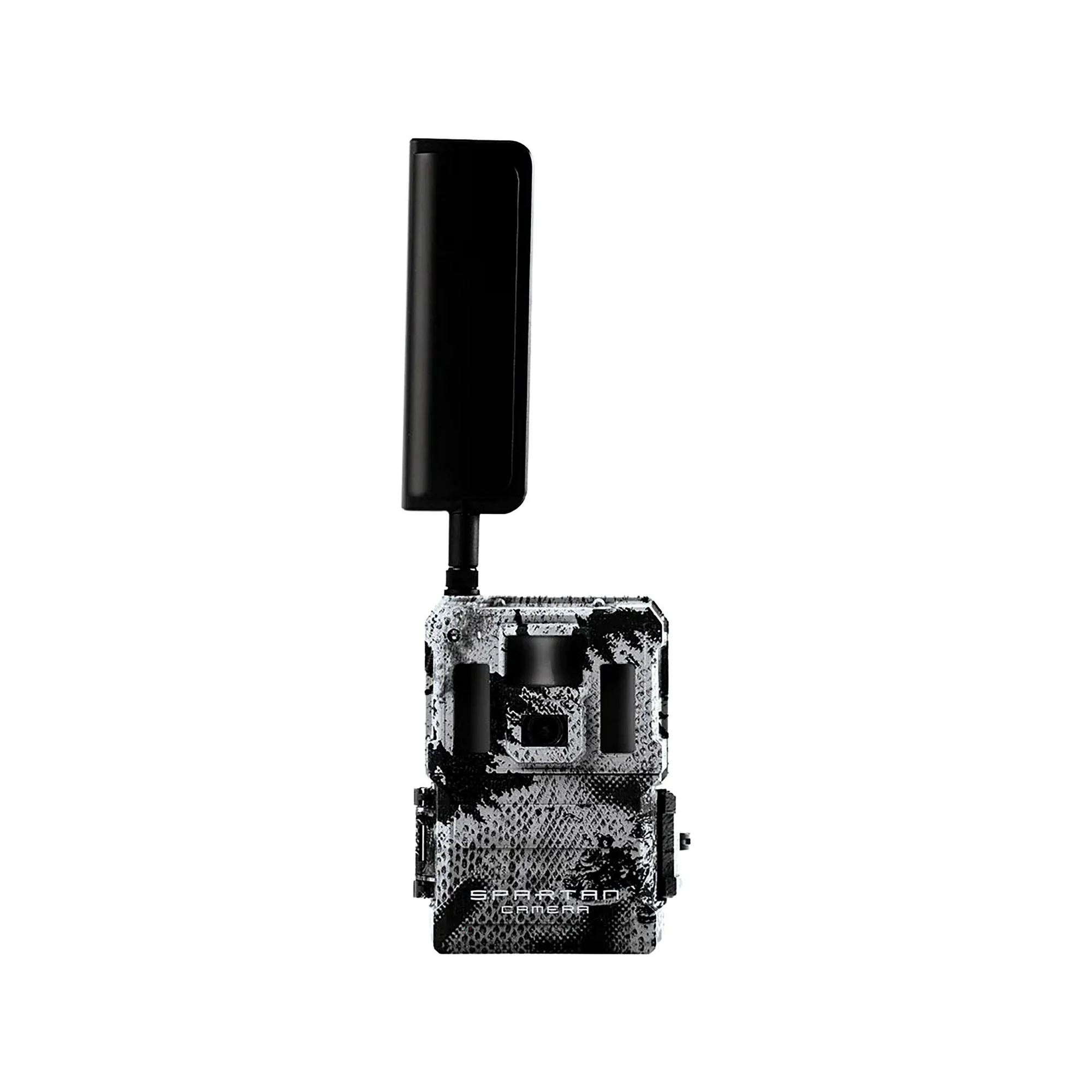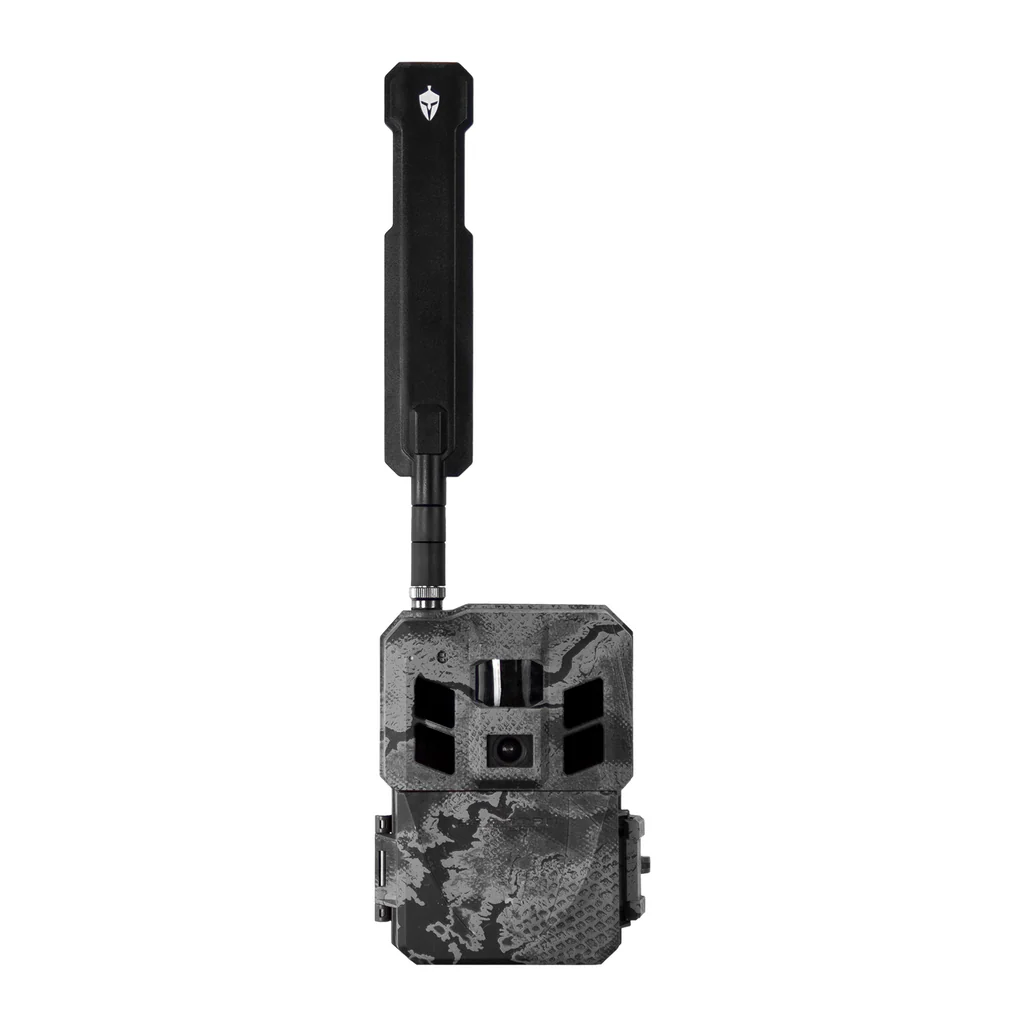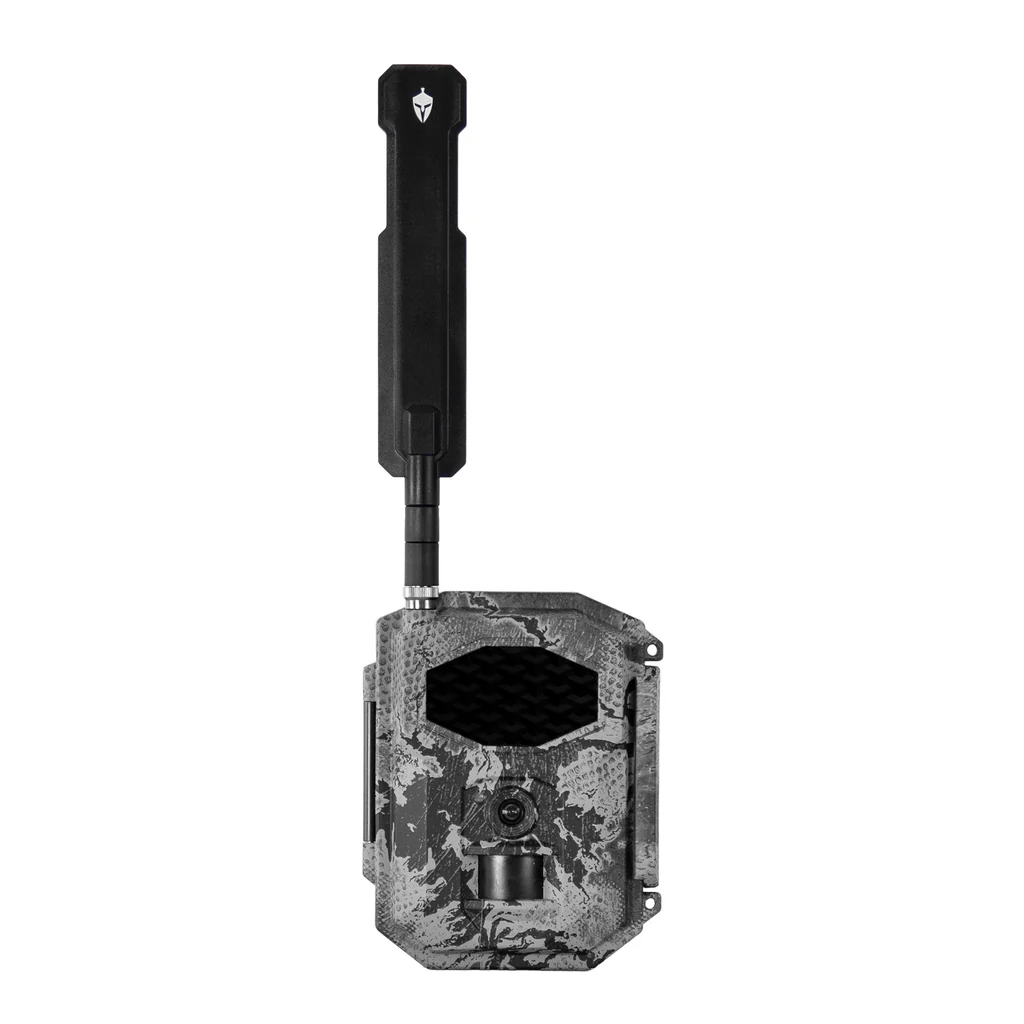
Cell Cameras (Trail Cameras) for Hog Trap Monitoring
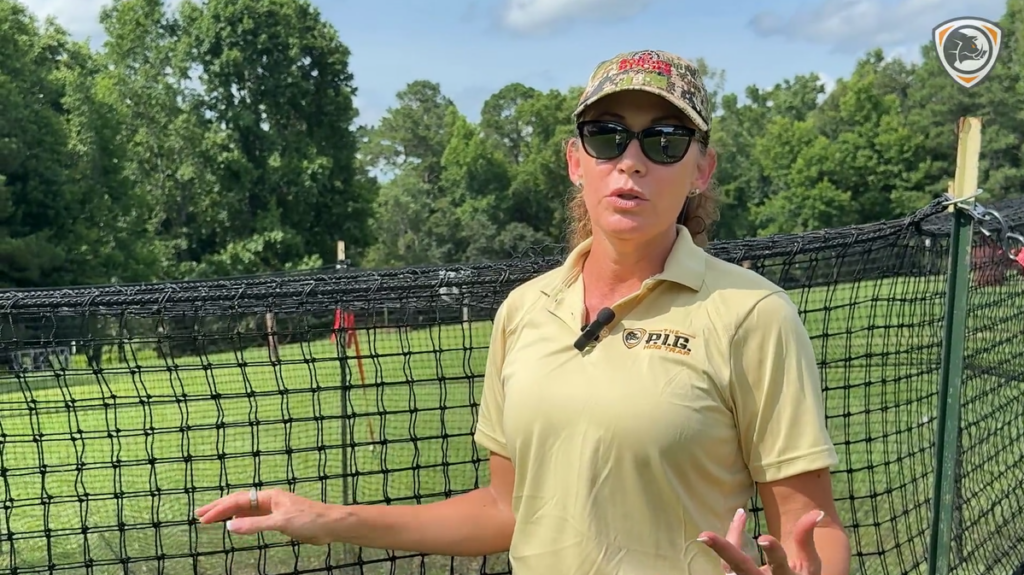
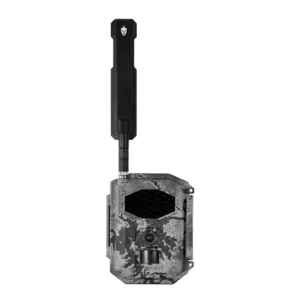
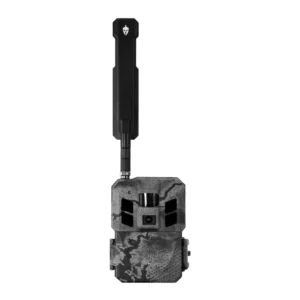
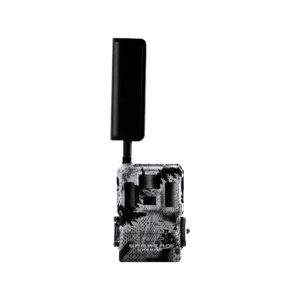
Recommendation: Use cellular trail cameras to monitor trap activity remotely and reduce unnecessary site visits. These cameras provide real-time visibility of hog movement, allowing you to observe patterns and confirm when the full sounder is present.
By minimizing trips to the site, you save time, reduce disturbance, and improve your ability to make well-timed capture decisions. This approach increases overall trapping efficiency and supports more consistent results in the field.
The P.I.G. Hog Trap Sponsors the 2026 GACD Annual Meeting
The P.I.G. Hog Trap™ at Buckmasters Expo 2026
The P.I.G. Hog Trap™ is Headed to Buckmasters Expo 2026 Feral Hog Control • Land…
Wild Hog Damage Exposure Estimator
Estimate potential annual wild hog damage based on how many hogs you’ve seen and how many acres you have. This tool uses published national damage figures and generalized density assumptions to generate a directional estimate only. It is not a guarantee of actual losses.
Methodology note: This estimator uses a derived national average based on published federal and federal-reference figures indicating a minimum annual feral swine damage cost of $3.4 billion in the United States and an estimated feral swine population of over 6 million. Density adjustments used here are generalized planning assumptions for website estimation purposes.
What Is Field Intelligence?
Field Intelligence is the strategic layer behind effective feral hog management. It focuses on understanding animal behavior, identifying patterns, and making informed decisions about where, when, and how to deploy trapping systems for maximum success.
While a quality trap system is essential, success in the field depends on more than equipment alone. Activity patterns, land conditions, seasonal changes, and repeat visitation all influence whether a trap produces results or sits idle.
This section is designed to help landowners, farmers, and property managers interpret what they’re seeing in the field — from tracks and rooting to travel corridors and feeding areas — and translate that information into smarter trapping decisions.
By combining observation, monitoring tools, and proven strategies, Field Intelligence supports a more efficient, effective, and humane approach to controlling feral hog populations.
Why Humane Hog Management Matters
Managing feral hog populations is not just about reducing damage — it’s about doing so in a responsible, effective, and humane way. Feral hogs are highly intelligent, social animals that travel in groups called sounders, which means poorly executed control methods can scatter populations and make the problem worse over time.
Humane trapping solutions focus on capturing entire sounders safely and efficiently, reducing long-term population growth while minimizing unnecessary stress and disruption. This approach helps prevent the spread of hog activity across neighboring properties and supports more sustainable land management practices.
By combining proper placement, intelligent monitoring, and well-designed trap systems, landowners can improve capture success while maintaining a more controlled, responsible approach to population management.
Field Intelligence plays a critical role in this process by helping you identify when a site is ready, confirm consistent activity, and deploy your system at the right time for the best possible outcome.
Why Humane Hog Management Matters
Managing feral hog populations is not just about reducing damage — it’s about doing so in a responsible, effective, and humane way. Feral hogs are highly intelligent, social animals that travel in groups, which means poorly executed control methods can scatter populations and increase long-term problems.
Humane trapping focuses on capturing entire sounders efficiently, reducing population growth and minimizing unnecessary stress. This approach supports more sustainable property management while preventing hogs from relocating damage to surrounding areas.
Field Intelligence improves this process by helping determine when a location is truly ready for deployment, ensuring higher success rates with fewer disruptions.
Reading Hog Activity in the Field
Understanding the signs of feral hog activity is essential for choosing the right location and timing. Hogs leave clear indicators that reveal patterns of movement and behavior.
Disturbed soil from feeding activity, often covering large areas.
Repeated paths showing consistent travel routes.
Muddy depressions used for cooling and parasite control.
Trees marked with mud and hair after wallowing.
Multiple signs in one area often indicate repeat activity, making it a prime candidate for trapping.
Placement Strategy: Where You Set the Trap Matters
Feral hogs follow predictable movement patterns between food, water, and cover. Successful trapping relies on intercepting these natural routes rather than forcing movement.
- Place traps along known travel corridors
- Focus on transition zones between wooded and open areas
- Position near consistent food or water sources
- Avoid high-disruption areas with inconsistent activity
The closer your setup aligns with natural behavior, the more consistent and successful your results.
Seasonal Baiting Strategy
Baiting effectiveness changes throughout the year. Adjusting your strategy based on conditions helps maintain consistent hog attraction.
Use strong scent attractants for better range.
Higher-calorie bait competes with limited food.
Focus near water sources where hogs gather.
Draw hogs away from fields into controlled zones.
Consistency is key. Conditioning hogs to return increases the likelihood of capturing entire groups.
Monitoring & Field Visibility
Observation and monitoring tools provide critical insight before and during deployment. They help confirm activity levels and determine the right moment to act.
- Verify repeat activity before deployment
- Understand group size and behavior patterns
- Reduce unnecessary site visits
- Improve timing for trap activation
Monitoring bridges the gap between assumption and certainty, helping turn observation into better decisions.
How It All Works Together
Effective hog control is built on a combination of observation, strategy, and execution. Each step supports better outcomes in the field.
- Identify signs of hog activity
- Evaluate movement patterns and environments
- Monitor for consistent visitation
- Deploy in high-confidence locations
- Adjust based on real-world behavior
Using Field Intelligence transforms trapping from reactive effort into a deliberate, results-driven process.
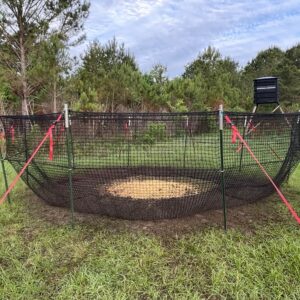

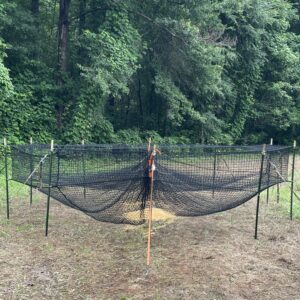
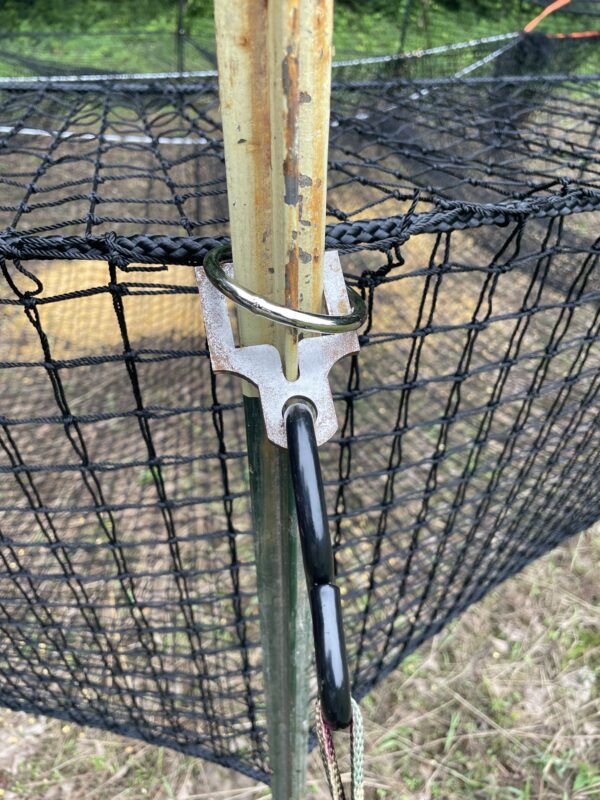
The P.I.G. Hog Trap™ – Complete Wild Hog Trapping Bundle
COMPLETE TRAP BUNDLE
🛡️ Built to Last. Backed for 4 Years.
When you’re investing in a professional-grade wild hog trapping system,
durability matters. That’s why every P.I.G. Hog Trap™ is protected
by a 4-Year Limited Warranty covering defects in materials and workmanship.
From ranches and farms to conservation properties and government projects,
you can buy with confidence knowing your trap is built for years of dependable
feral hog control performance.
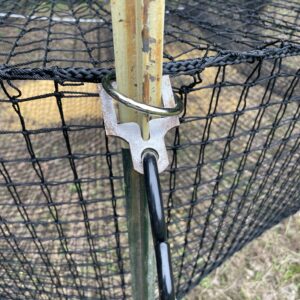
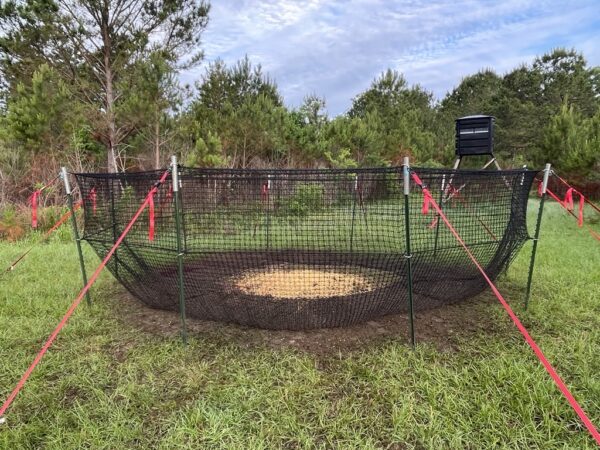
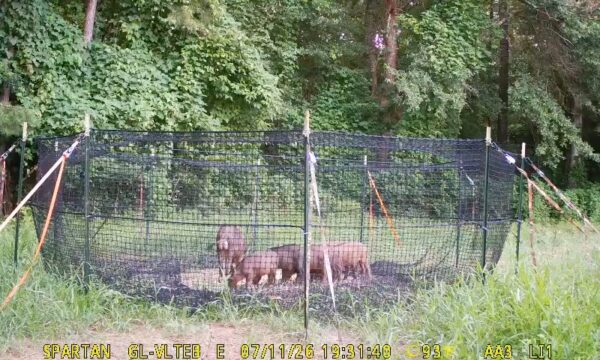
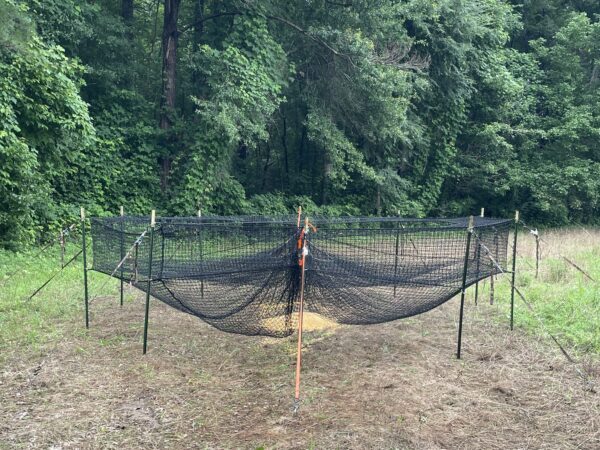
The P.I.G. Hog Trap™ is designed for landowners, outfitters, and wildlife management professionals who need a dependable solution for controlling feral hog populations. Built with durability and adaptability in mind, this system performs reliably across a wide range of terrain and conditions. With a 20′ diameter assembled, it is capable of humanely capturing the full sounder of hogs.
**T-STAKES NOT INCLUDED** Due to their size and local availability worldwide, t-stakes or trap poles are not included or currently offered.
GTIN w/Company Prefix: 00860016180604
In stock (can be backordered)